


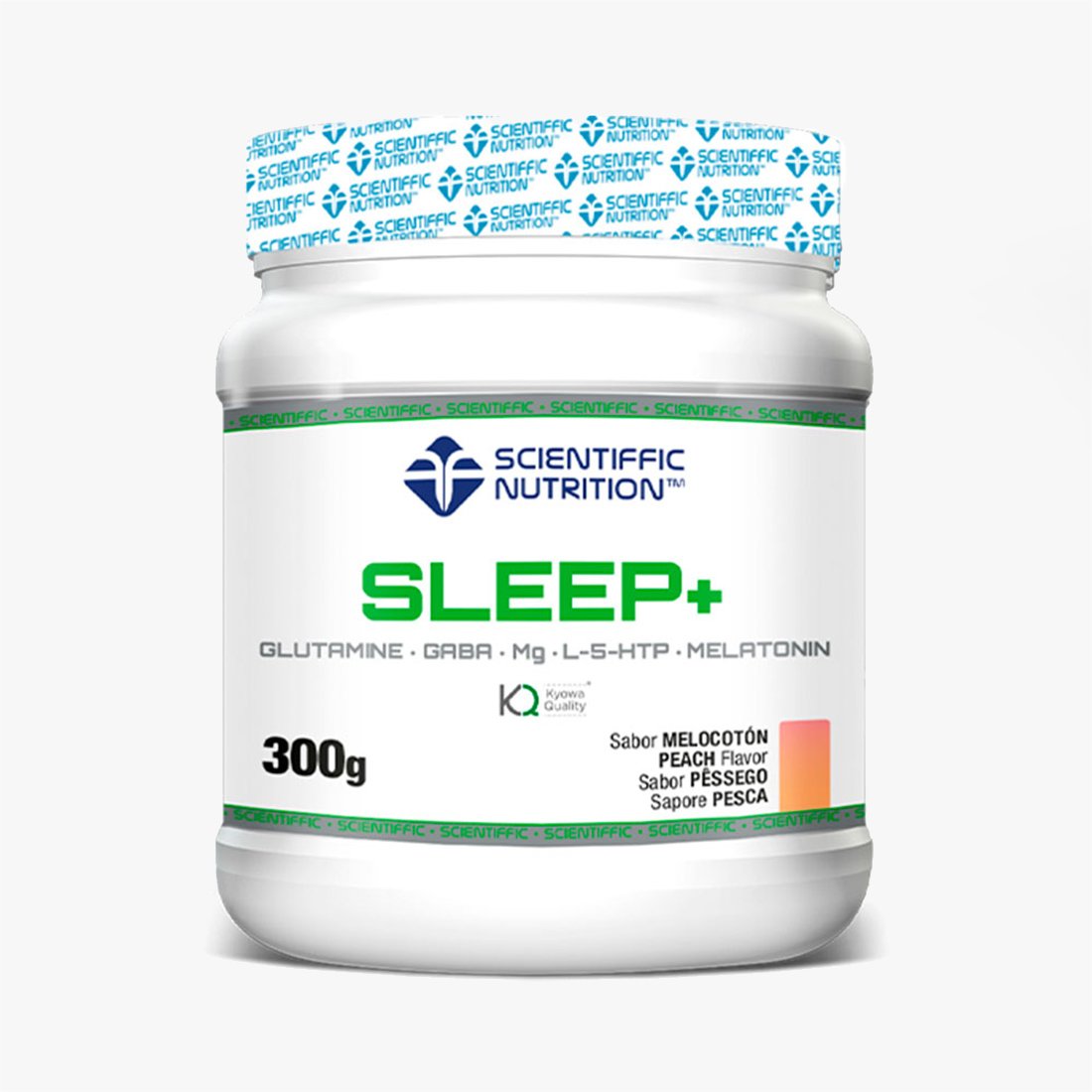
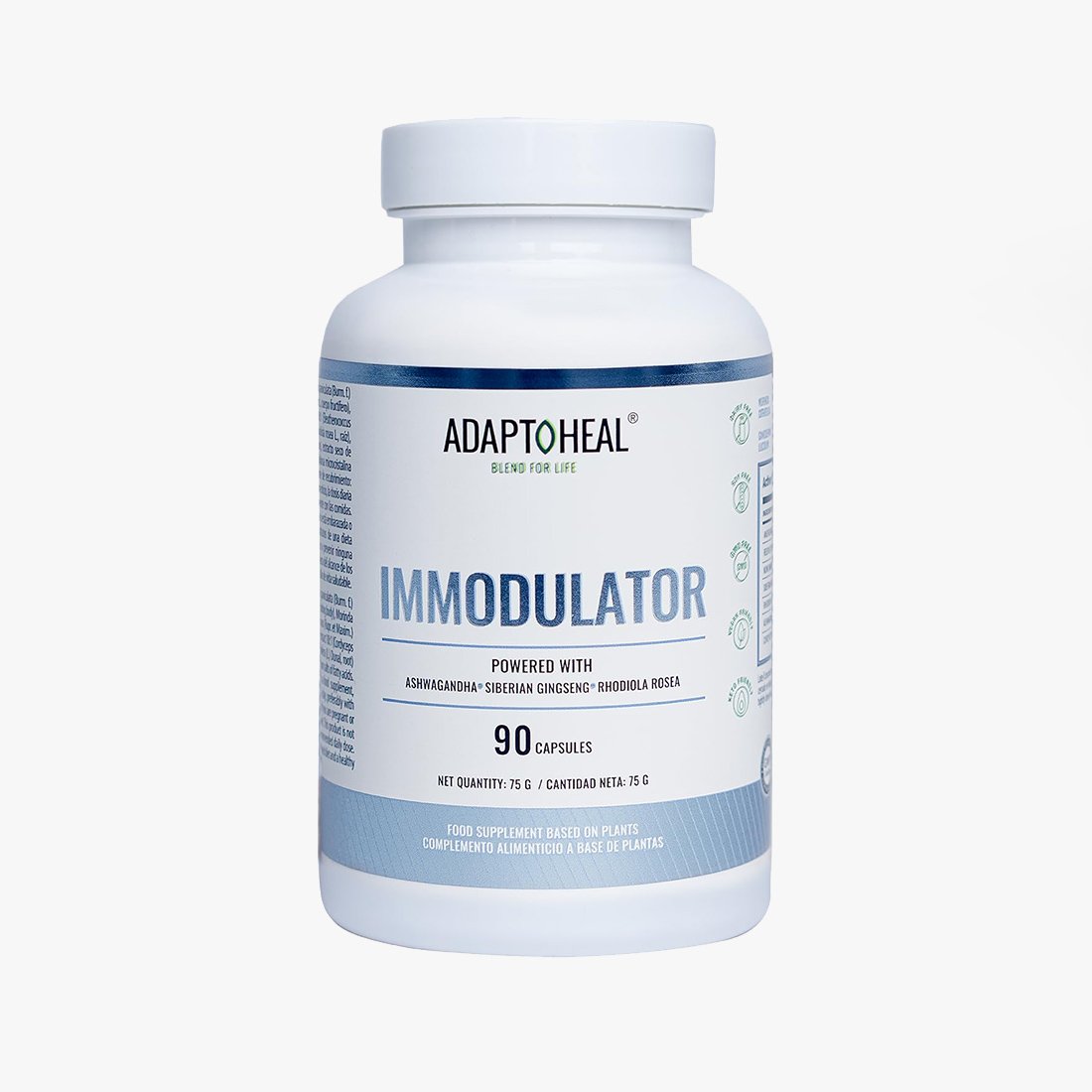

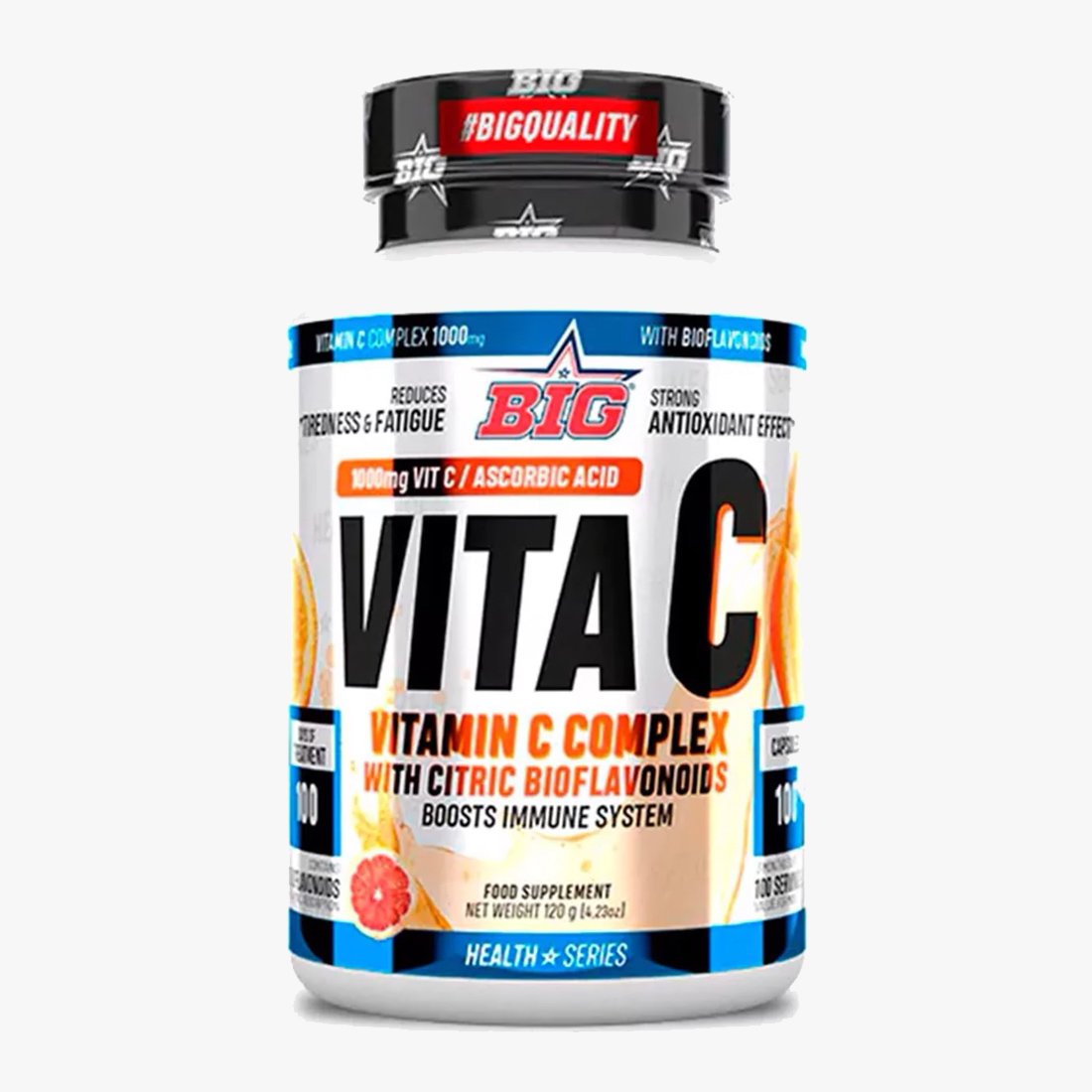

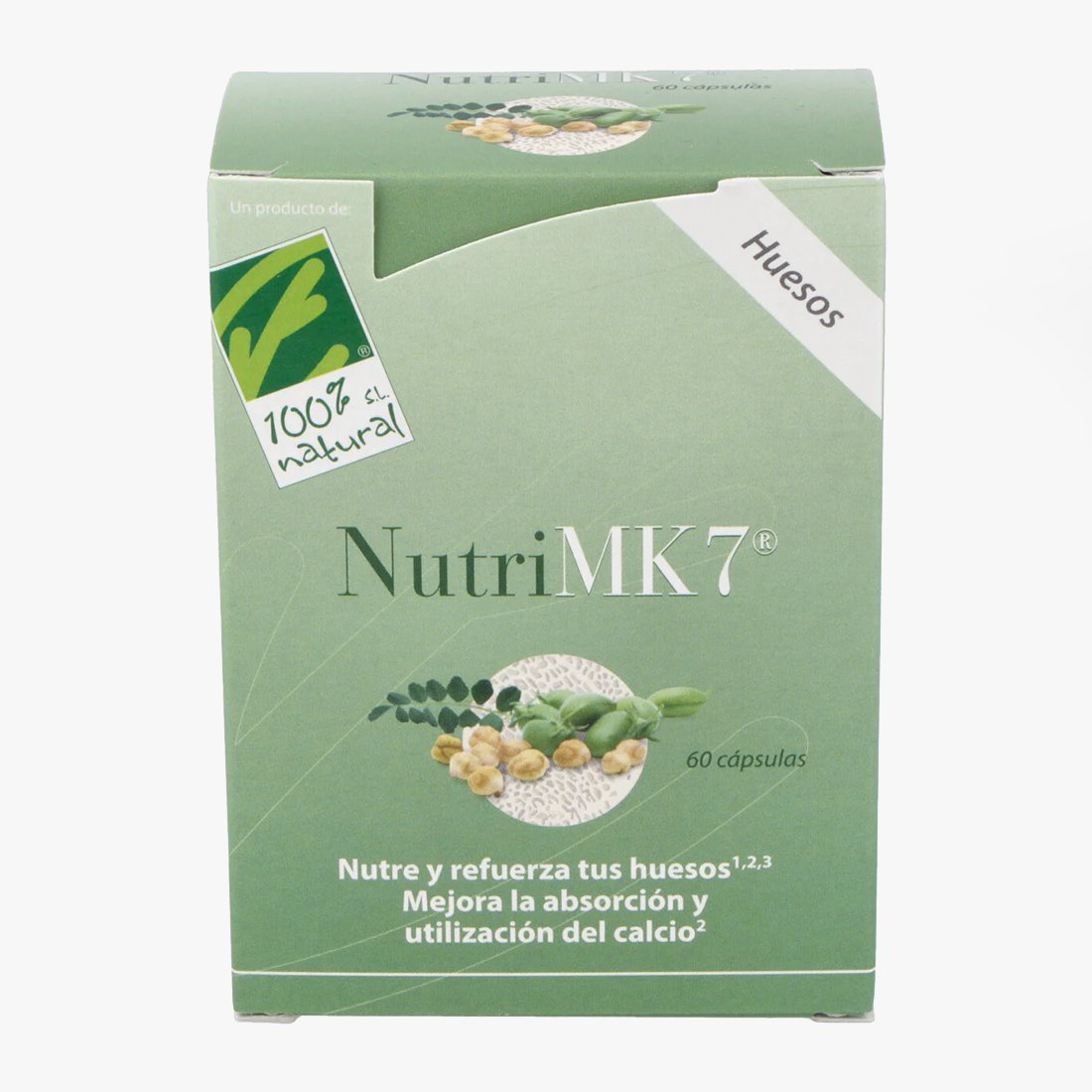











Short answer: There is no supplement that everyone needs. in many people, a varied diet, sufficient and well organized can cover nutritional needs. Supplements can be useful when they solve a specific need: a confirmed lack, a professional indication, a specific sporting situation or practical problem that food does not cover well at the time.
The useful question is not "what supplement should I take?"?», but "what do I need?", why do I need it and what is the safest and most effective way to get it?».
First: what do we understand by supplement?
Food supplements are concentrated sources of nutrients or other substances that are presented in doses: capsules, compresses, octopuses or liquids, among other formats. They are called add-ons because its function is to complement the normal diet, do not replace it.
The Spanish Agency for Food Safety and Nutrition (AESAN) Also remember that these products are not medications and are not intended to prevent or treat diseases..
When is feeding usually sufficient?
Food provides something that an isolated product cannot always offer.: energy, protein, carbohydrates, fats, fiber, vitamins, minerals and a combination of compounds that are part of a complete dietary pattern.
Before adding a supplement it is worth reviewing four bases:
- Amount: if you eat enough for your activity, training and goal.
- Quality and variety: if fruits appear regularly, vegetables, legumes, cereals, sources of protein and quality fats.
- Distribution: If the meals fit your schedule, your digestive tolerance and the timing of training.
- Continuity: if the plan can be maintained, not just complete for a few days.
For example, a person can achieve adequate protein intake with regular foods. A smoothie is not automatically better: can be practical, but it does not compensate for insufficient intake, poor organization or a poorly varied diet.
When a supplement may make sense
1. There is a deficiency or a health indication
Some nutrients may require supplementation when a clinical assessment or analysis shows a need.. Hierro, vitamin D or vitamin B12 are common examples, but the dose and duration should not be decided by intuition. Taking more does not mean greater benefit and may increase the risk of adverse effects.
2. Food is not practical in a specific situation
Trips, lack of refrigeration, sessions very close together, little appetite after training or long competitions can make a comfortable format useful. Here the supplement does not replace a good diet: resolves a specific limitation.
3. The sporting objective has evidence and is well defined
He Australian Institute of Sport ranks supplements and ingredients based on evidence, security and its practical usefulness. Even in high performance sports, The “food first” approach – prioritizing nutrition – remains the basis. A product may have evidence for a specific use and, even so, not be necessary for all people or for all training.
4. You need a simple way to complete a guideline
A protein powder, For example, can help when it is difficult to reach the planned quantity or when transporting food is not feasible. But if the diet already covers the need, adding it does not produce an extra result by itself.
A filter of five questions before buying
- What is the exact objective? "Get better" or "have more energy" are too general. Define what you want to change and how you will know if it works.
- Does food already cover that need?? Check quantity first, variety and organization.
- Is there evidence for that ingredient, that dose and that use? The fame of the product or the testimony of another person does not replace the evidence.
- Is it safe in your case? Take medication into account, pregnancy, diseases, allergies, tolerance and possible duplications with other products.
- Does labeling let you know what you are taking?? Check ingredients, amount per dose, instructions, warnings and product liability.
The Office of Dietary Supplements de los NIH warns that some supplements may interact with medications and that high doses or combining several products increase the possibility of adverse effects.
Protein, creatine, vitamins and electrolytes: they don't answer the same question
- protein powder: It is a practical food tool. Its usefulness depends on the total intake, the daily distribution and the context.
- Creatine: has evidence for certain sports objectives, but its use must assess the type of training, individual pattern and circumstances.
- Vitamins and minerals: It is not advisable to use them as "insurance" without reviewing the diet and the real need. Unnecessary doses can also cause problems.
- Electrolytes and hydration products: can be useful in long efforts, heat or high sweat loss; They are not essential for any session.
Who to ask?
At L4L we differentiate two levels of help so that each query reaches the right place.:
- If you like compare two products, understand a label, choose a format or consult the manufacturer's instructions, use our store advice.
- If the decision depends on symptoms, a disease, medication, pregnancy, analytics, body composition or an individual diet and training strategy, reserve one clinical and sports nutrition consultation in Chamberí.
This separation avoids recommending a product when the real problem is in the diet., recovery, training load or a health issue that needs assessment.
The conclusion: feeding first, supplement when it provides something specific
A supplement is neither good nor bad by definition. Its value depends on whether there is a need, of the evidence, of the dose, of the quality of the product and the context of the person. Start by organizing your diet; Then decide if the supplement solves a real problem or just adds expense and complexity.
Informative content reviewed by the Lift4Life nutrition team. It does not replace an individual health assessment.
Frequently asked questions
Do I need protein powder if I strength train??
Not necessarily. It can be useful for convenience if you do not reach the planned amount with food., but it is not mandatory to gain strength or muscle mass.
Does a multivitamin compensate for a poorly varied diet??
No. Can provide isolated nutrients, but it does not replace the variety of foods or correct the organization of the diet on its own..
Can I take several supplements at the same time??
It is advisable to review ingredients and accumulated doses. If you take medication, you have a disease, you are pregnant or symptoms appear, Consult with a healthcare professional before using them.