by Rubén of the loan, Natural and Sports Supplementation Specialist
Vitamins are micronutrients essential for general health and well-being. Although they do not provide energy like carbohydrates, fats or proteins, They play a crucial role in numerous biological functions, from strengthening the immune system to maintaining skin health, bones and nervous system.
In this article, we offer you the definitive guide to vitamins: what are they, what are its types, its functions in the body, The best food sources and how to avoid deficiencies.
What Are Vitamins?
Vitamins are organic compounds that the body needs in small quantities to carry out essential metabolic functions.. Most vitamins cannot be synthesized by the body, so they must be obtained through diet or, In some cases, through supplements.
Classification of Vitamins
Vitamins are divided into two large groups according to their solubility.:
- Fat-soluble vitamins: They dissolve in fat and are stored in adipose tissue and the liver.
- Water-soluble vitamins: They dissolve in water and are not stored in the body, so they should be consumed regularly.
Fat-soluble vitamins
Fat-soluble vitamins include vitamins A, D, E and K.
1. Vitamin A (Retinol)
Vitamin A is essential for eye health, immune function and skin health.
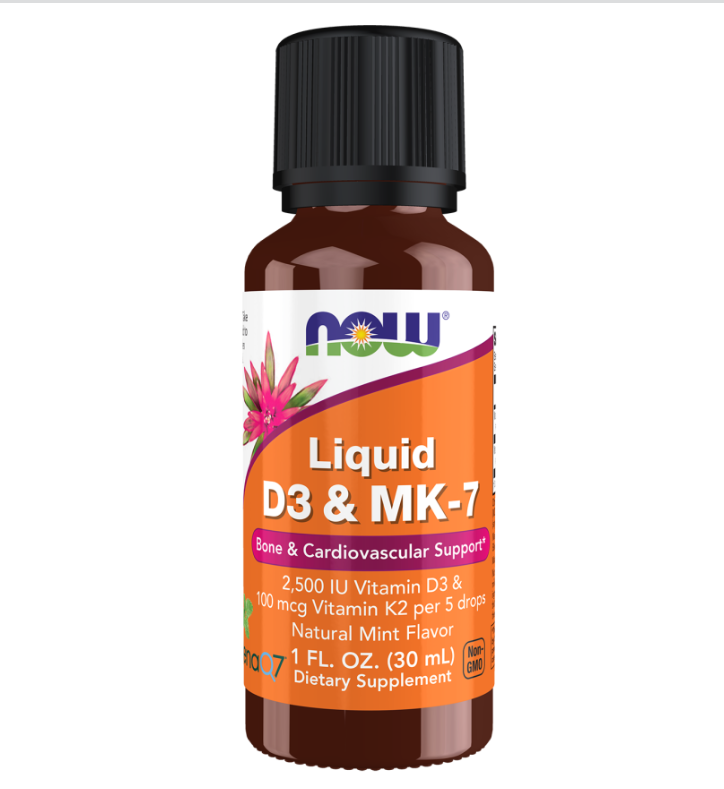
2. Vitamin d (Colecalciferol)
Known as the “sunshine vitamin.”,”Vitamin D is essential for bone health and the immune system.
3. Vitamin E (TOCOPHEROL)
Vitamin E is a powerful antioxidant that protects cells from damage caused by free radicals..
4. Vitamin K
Vitamin K is essential for blood clotting and bone health.
Water-soluble vitamins
Water-soluble vitamins include the vitamin B group (B1, B2, B3, B5, B6, B7, B9, B12) and vitamin C.
1. Vitamin B1 (Thiamin)
It is essential for carbohydrate metabolism and nerve function.
2. Vitamina B2 (Riboflavin)
Riboflavin is essential for energy production and skin health.
3. Vitamina B3 (Niacin)
Niacin is important for cardiovascular health and energy metabolism.
4. Vitamina B9 (Folic Acid)
Folic acid is essential during pregnancy for the development of the fetal nervous system.
5. Vitamina B12 (Cobalamine)
It is essential for the production of red blood cells and the functioning of the nervous system.
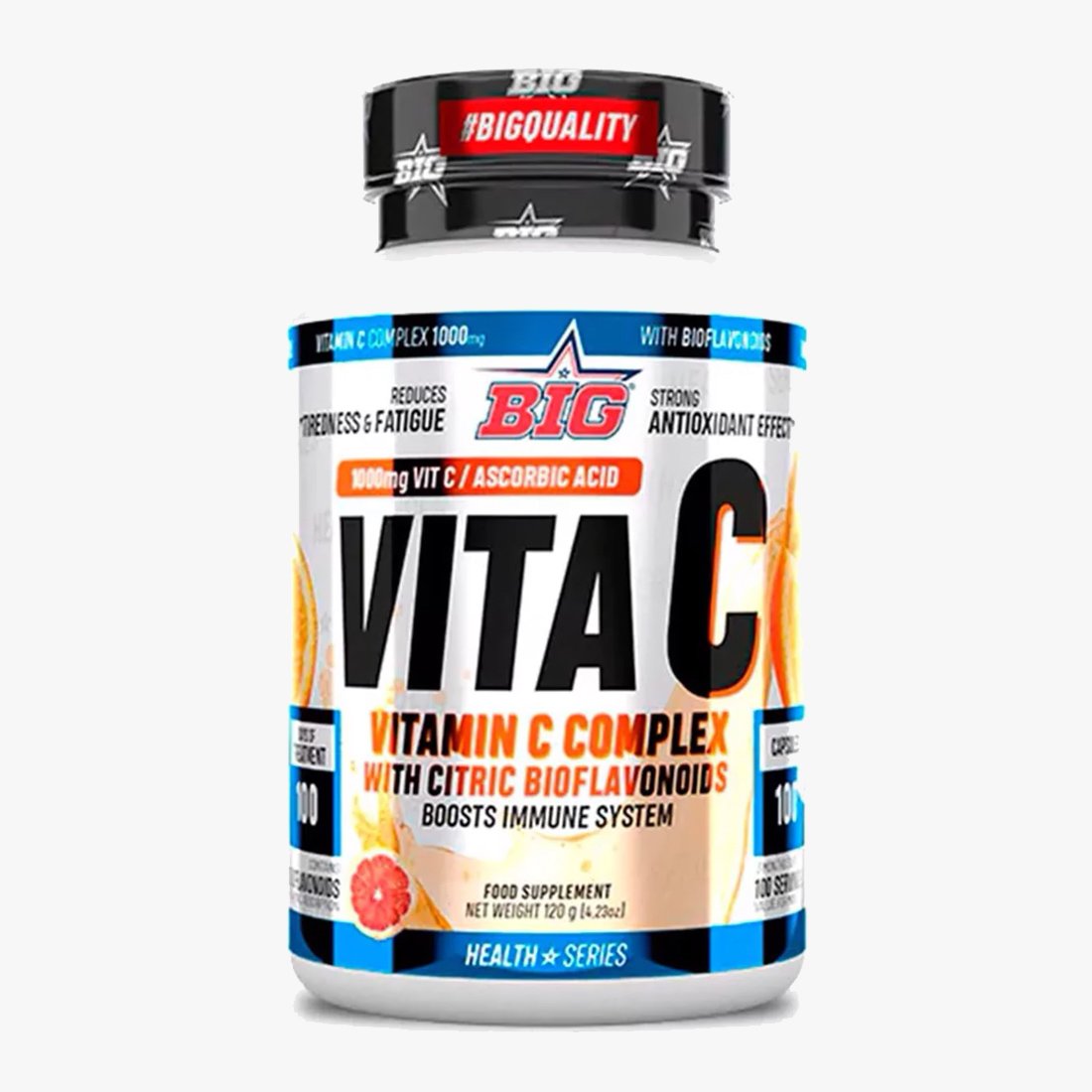
6. Vitamin C (Ascorbic acid)
Vitamin C is a key antioxidant that strengthens the immune system.
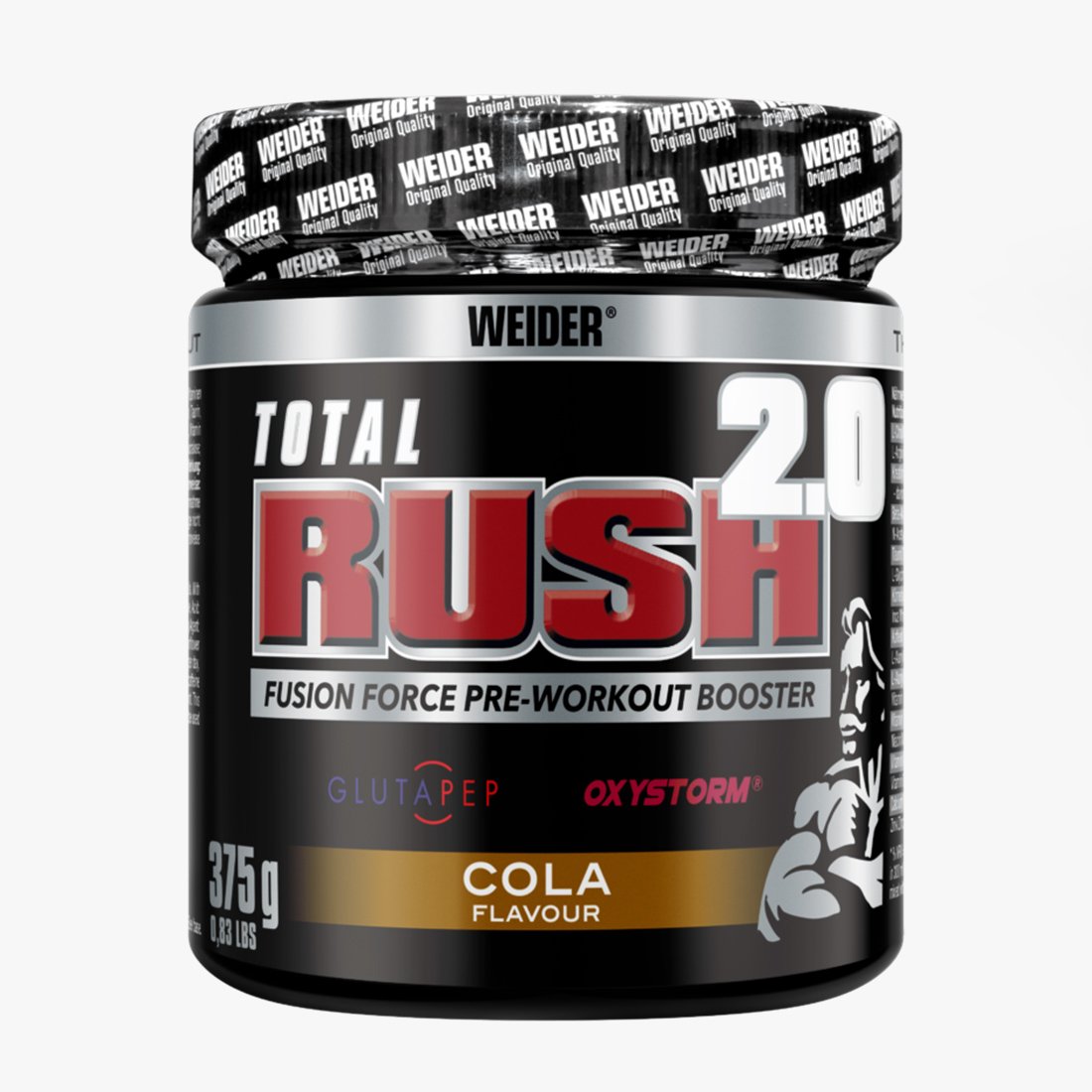
Benefits of Pre-workouts
1. Increased Energy
The combination of caffeine and other stimulants provides a boost of energy that helps you overcome fatigue and stay active throughout your workout..
2. Improved Strength and Stamina
Ingredients like creatine and beta-alanine improve your muscles' ability to perform repetitive strain and heavy lifting.
3. Greater Mental Concentration
Mental focus is key during exercise, and pre-workouts help improve attention and mental clarity, especially during intense or long-duration workouts.
4. Best Muscle Pump (Pump)
Thanks to increased blood flow, greater muscle congestion is achieved, which not only improves physical appearance during training, but also facilitates recovery.
Do I need to take vitamin supplements??
While a balanced diet should provide all the necessary vitamins, some people may need supplements, especially in the following cases:
- Pregnancy and lactation.
- Vegetarian or vegan diets (due to B12 deficiency).
- Older people who may have difficulty absorbing certain vitamins.
- People with chronic illnesses or conditions that affect nutrient absorption.
Before taking any supplement, It is advisable to consult a health professional to evaluate your specific needs..