Photobiomodulation: activate your cellular energy
The photobiomodulation It is a therapy based on exposure to red and infrared light that acts directly on the mitochondria, the organelles responsible for producing cellular energy (ATP).
By stimulating the enzyme cytochrome c oxidase (CCO), red light increases energy production, reduces oxidative stress and promotes tissue repair and regeneration.
Why choose EMR-Tek
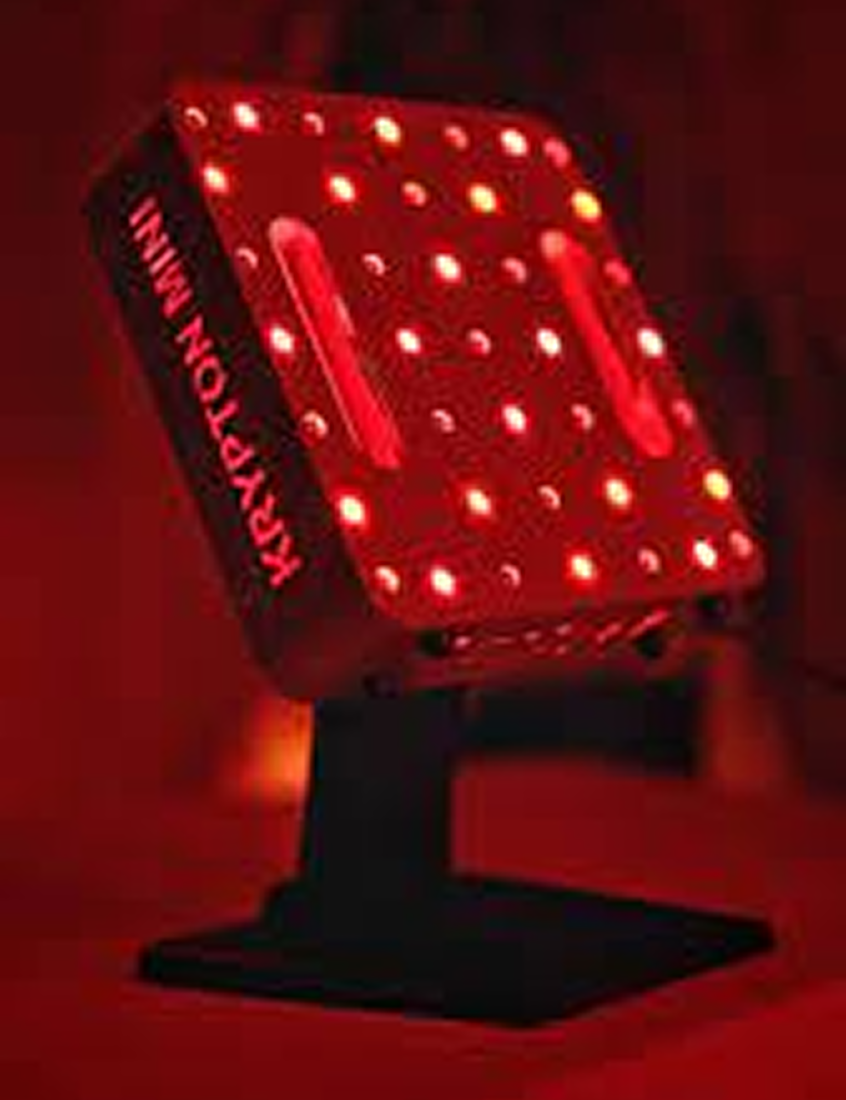
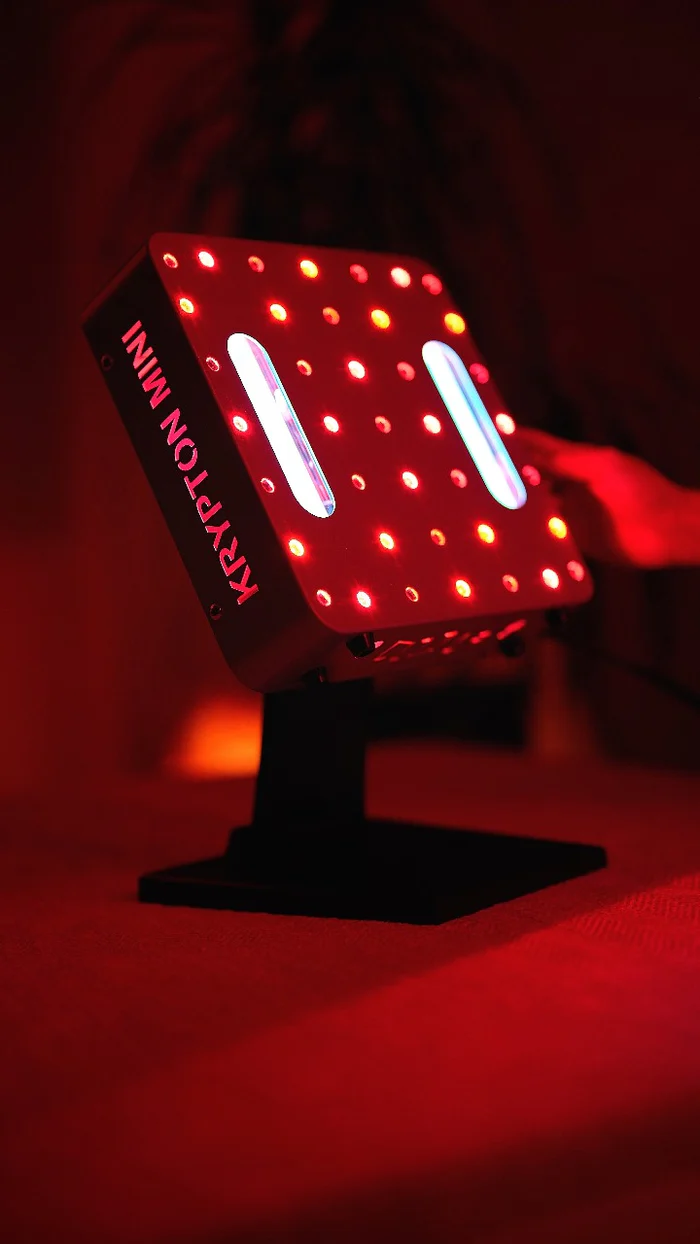
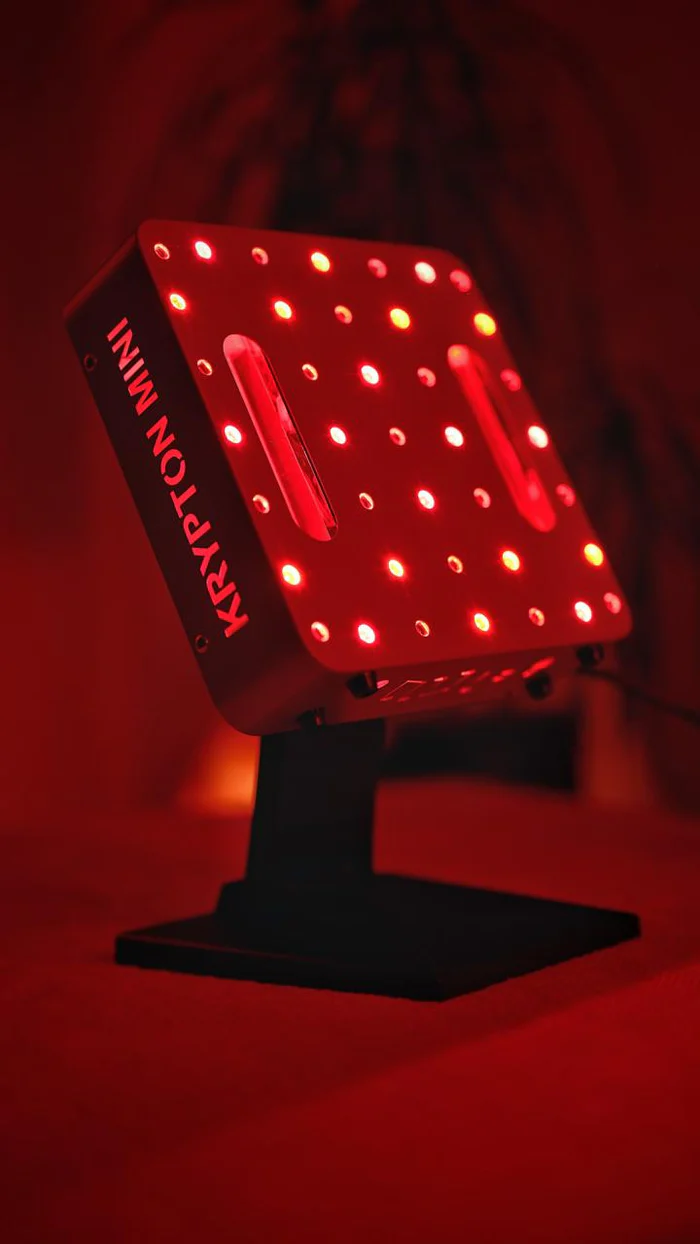
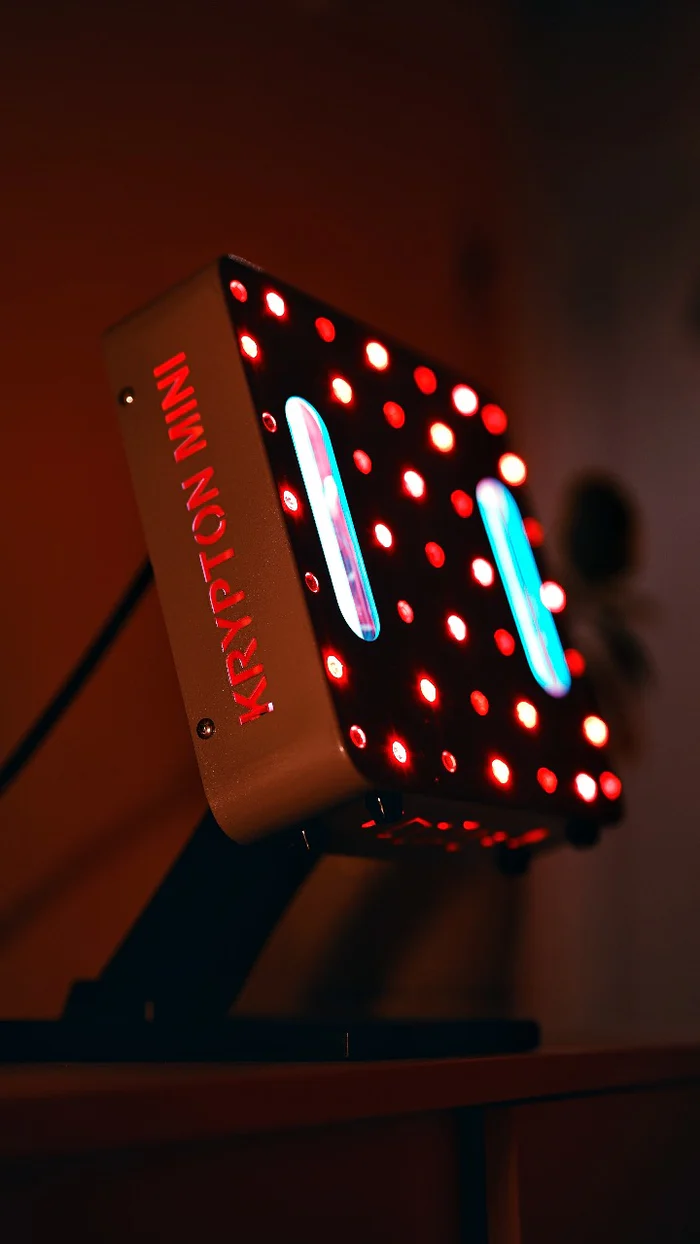
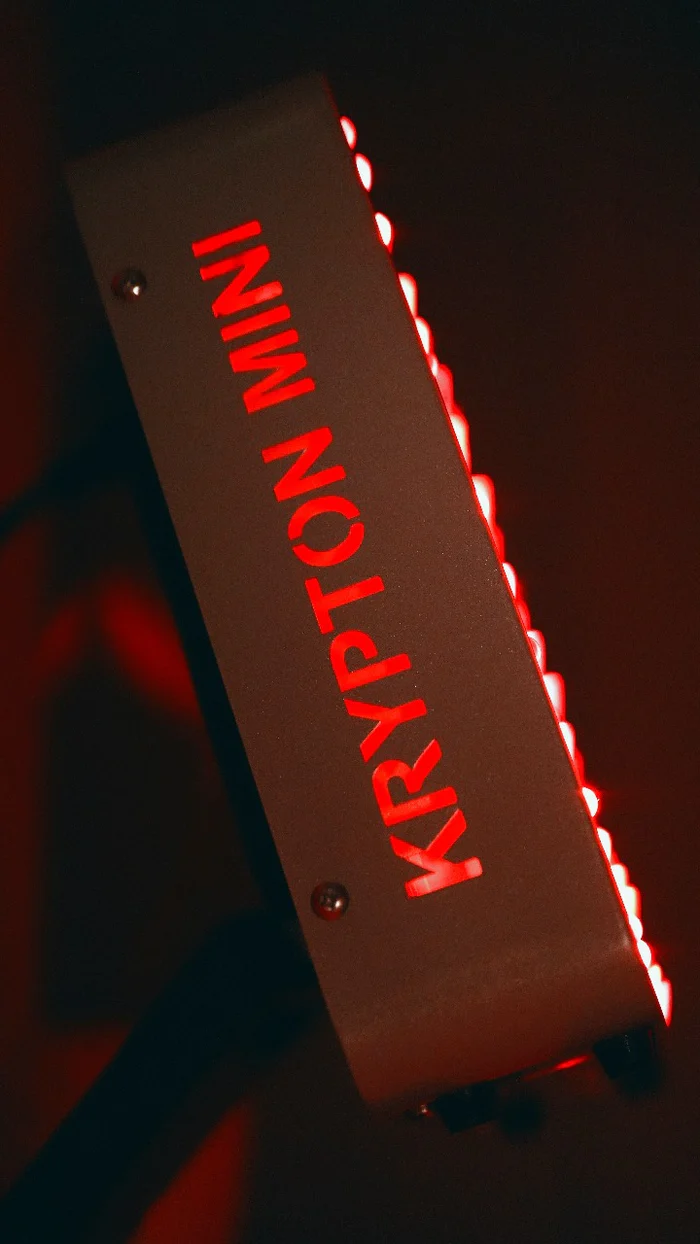
EMR-Tek is a world leader in red light technology, with devices designed for both professional and home use.
Its panels emit at optimal wavelengths 660 nm (roja) y 850 nm (near infrared), achieving effective penetration into muscle and dermal tissue, and a deep cellular response.
- 💪 Faster muscle recovery
- 🔥Reduction of pain and inflammation
- 🧠 Improved cognitive performance and mood
- 🌙 Regulation of sleep and the hormonal axis
- 🧬 Stimulates mitochondrial biogenesis and cellular longevity
Technical characteristics
- The lengths of the wave: 660 nm + 850 nm
- High power, low EMF radiation LEDs
- Technology flicker-free (no flicker)
- Modular and expandable panels
- Robust design and international warranty 3 years
How to use it
- Place the panel at a distance of 15-30 cm of the body area.
- Conduct sessions 10-15 minutes, between 3 y 5 times a week.
- Ideal after training, before bed or in active recovery sessions.
At Lift4Life we use photobiomodulation as a complementary tool in our performance and mitochondrial health protocols..
Exclusive discount for the Lift4Life community
Buy your device directly on the official EMR-Tek website and take advantage of a
40 % discount with our code:
💥 CODE: LIFT4LIFE
Scientific evidence
- Hamblin, M. R. (2018). Mechanisms and applications of the anti-inflammatory effects of photobiomodulation. AIMS Biophysics, 5(4), 337–361.
- Chung, H. et al. (2012). The nuts and bolts of low-level laser (light) therapy. Annals of Biomedical Engineering, 40(2), 516–533.
- Leal-Junior, E. C. P. et al. (2019). Photobiomodulation improves muscle recovery and performance: a systematic review. Lasers in Medical Science, 34, 1031–1045.