













🍞 Intermittent fasting: what it is and why it is used
Intermittent fasting consists of alternating periods of eating with periods without eating.. The most popular is the 16:8, in which one fasts during 16 hours and eat in a window 8. Its benefits include:
- Better glucose and insulin control
- Reduced appetite in some people
- Improvement of metabolic markers
- Fat loss (if there is a caloric deficit)
But, what happens if you train on an empty stomach?
💪 Train on an empty stomach: pros and cons
Pros:
- May promote fat oxidation (depending on the type of training)
- Practical for those who train early
- Improves post-exercise insulin sensitivity
- AMPK pathway activation (called metabolism key)
Contras:
- Reduced performance in strength or high intensity training
- Risk of muscle loss if recovery is not well managed
- Increased physiological stress (increased cortisol)
🔹 When is it and when is it not a good idea?
Fasting can be compatible with training and:
- Your sessions are low or medium intensity
- You prioritize recovery and rest
- You have good experience and adaptation to fasting
- Your main goal is health or fat loss
It is not so recommended if:
- Searches muscle mass gain
- You train very intensely or several times a day
- You have energy problems, sleep or hormone levels
🏋️♂️ At Lift4Life we help you adjust the protocol to you
It's not about whether fasting works, but if works for you. In our center we evaluate your objectives, tu contexto y tu respuesta para decidir la mejor estrategia nutricional y de entrenamiento.
Y recuerda: CADA PERSONA ES DISTINTA.
📅 Reserva una sesión de asesoramiento en lift4life.es
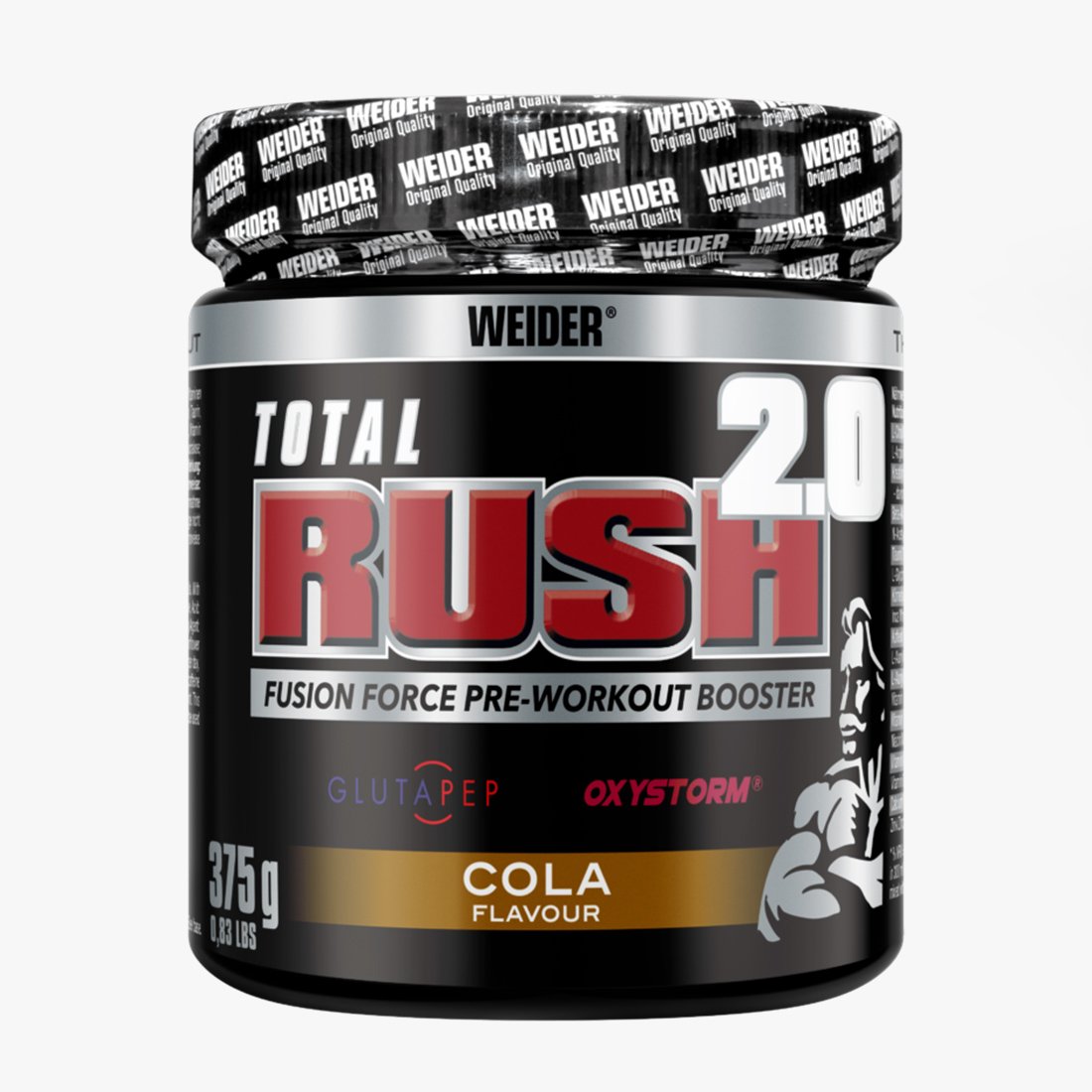
💳 Y apoya tu recuperación y energía con:
#ayunointermitente #entrenamiento #rendimiento #Lift4Life